The ancient landscapes of India are filled with monuments, temples, and heritage sites. Among these, nothing is more timeless and ancient than the mysterious caves. These natural and artificial marvels are open doors to a world that was. They narrate tales of religion, culture, architecture, art, and human development. The 12 caves in India discussed in this blog are not only tourist sights. They are a treasure trove preserving centuries of knowledge, art, and the wonders of history.
From Buddhist rock-cut houses to huge Hindu temples and Jain shrines buried deep into the mountains, these fantastic caves testify to the development and creativity of early Indian civilisations. As you explore, these 12 caves in India reveal legends, spirituality, and monumental engineering excellence. This is a complete tour of this historical place, prepared by Globusnext. It details its history, importance, and the eternal tales of history it preserves.
1. Ajanta Caves, Maharashtra
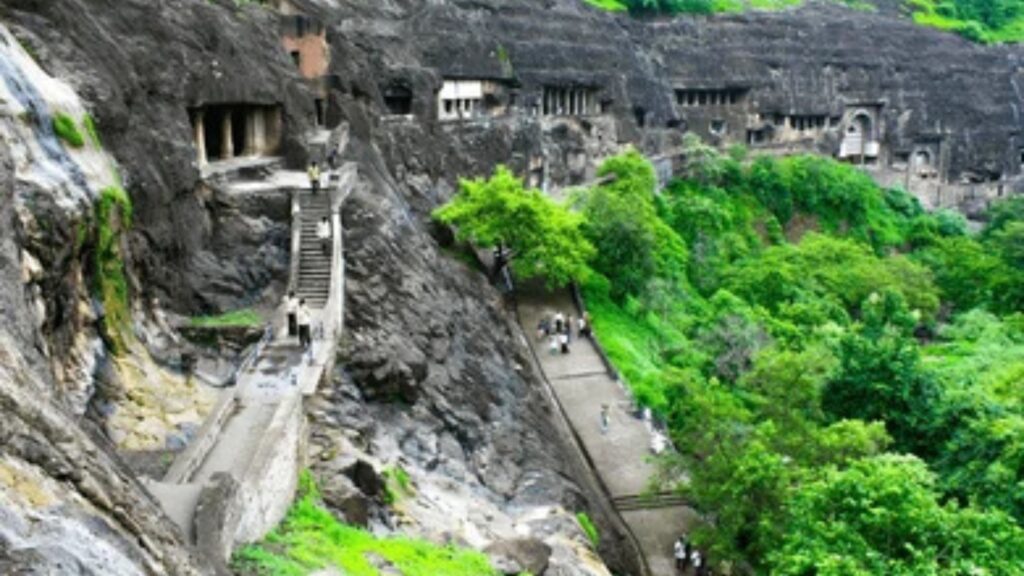
The Ajanta Caves are one of the most beautiful of the 12 caves in India that denote the zenith of Buddhist art. Dating back to the 2nd century BCE, these 30 intricately carved caves adorn the horseshoe-shaped gorge of the Waghora River.
The murals, vivid frescos, and sculptures of Ajanta tell the tales of Jataka- the stories about the previous life of Buddha. Such caves show the social and artistic genius of ancient India as well as its spirituality. It is a top destination in any list of 12 caves in India, given the fact that every year, tourists and historians around the world visit this UNESCO World Heritage site. Ajanta is a place that gets covered by Globusnext in most of the cultural tours planning because of its significance in the world.
2. Ellora Caves, Maharashtra
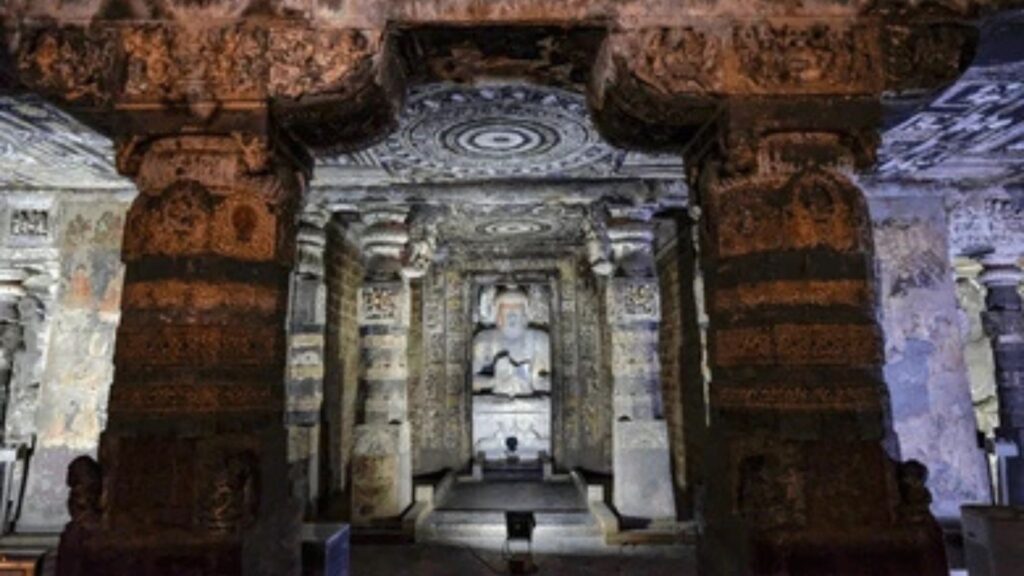
The Ellora Caves are another gem in the list of 12 caves in India that provide the testimony of the peaceful co-existence of the Hindu, Jain and Buddhist cultures. Ellora was constructed in the 6th to 10th centuries and is a monument to artistic diversity.
The Kailasa Temple (Cave 16) is the most symbolic one here; it is hewn out of a single rock of basalt. It is still one of the most famous monolithic buildings in the history of humanity. A glamorous rock-cut structure, this multi-religious location is a wonderful place that Globusnext often takes travellers who want to see the grand history of India.
3. Elephanta Caves, Maharashtra
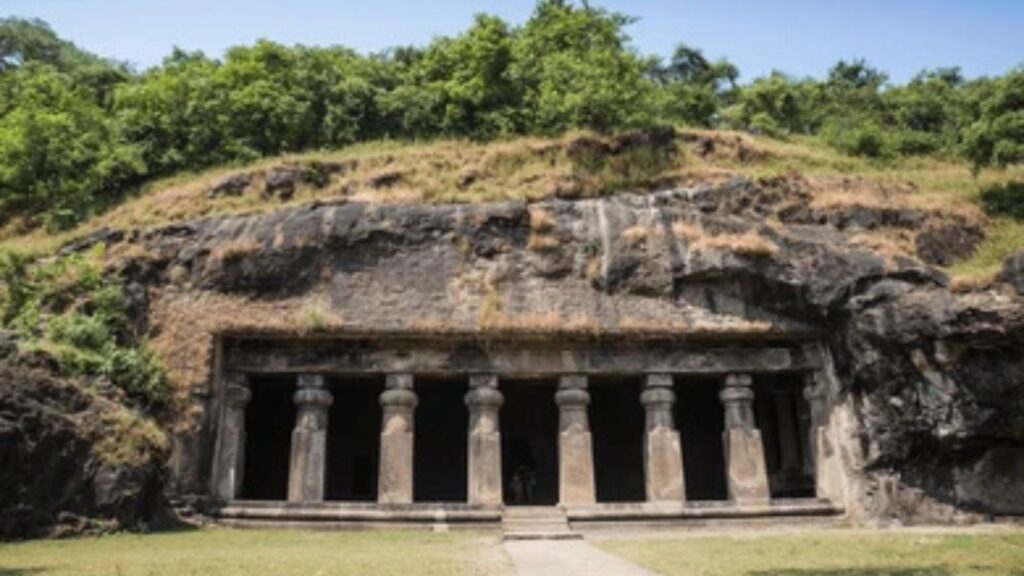
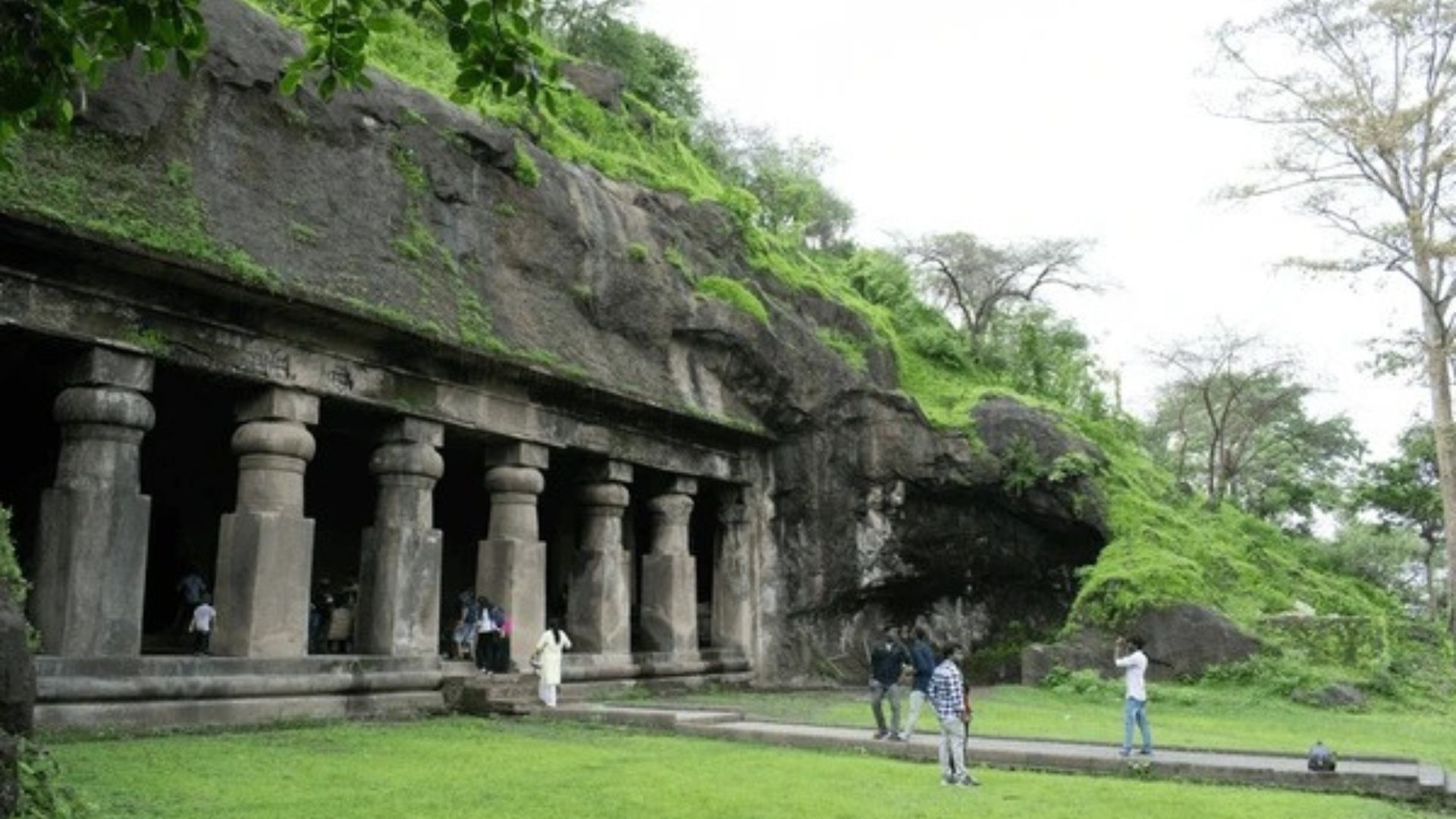
The caves are found in the calm Elephanta Island off Mumbai, and are famous for the giant sculpture of Lord Shiva in the form of Maheshmurti. These caves are a significant supplement to the 12 caves in India that are an embodiment of Shaivite philosophy and artistic expertise of the 5th-7th century CE.
The main cave, having its pillars, large shrines, and well-carved panels, is the vow of a rewarding exploration of mythology and art. Elephanta can be recommended by Globusnext to people who want to receive a fast but still rich and most enriching heritage trip close to the commercial centre of India.
4. Badami Caves, Karnataka
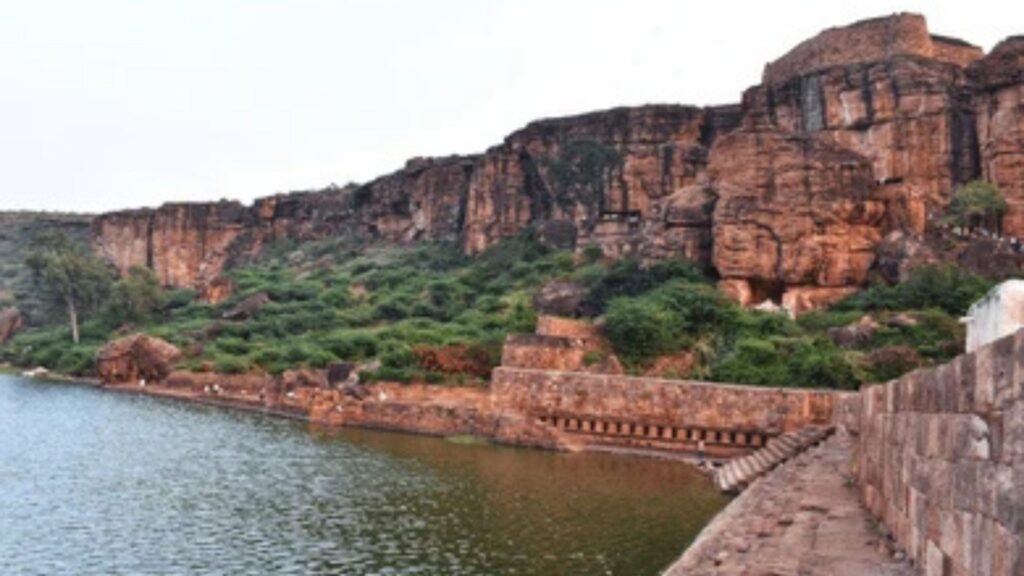
The Badami Cave Temples form part of the 12 caves in India and were carved into soft sandstone cliffs by the Chalukya dynasty sometime in the 6th-8th centuries.
These caves, which have the influences of Hindu, Jain, and Buddhist, have beautiful sculptures of Vishnu, Shiva and the Jain Tirthankaras. They have early Deccan architecture and spectacular views of the hills. Badami is part of numerous heritage travelling packages offered by Globusnext because of its low-profile but highly historic nature.
5. Udayagiri and Khandagiri Caves, Odisha
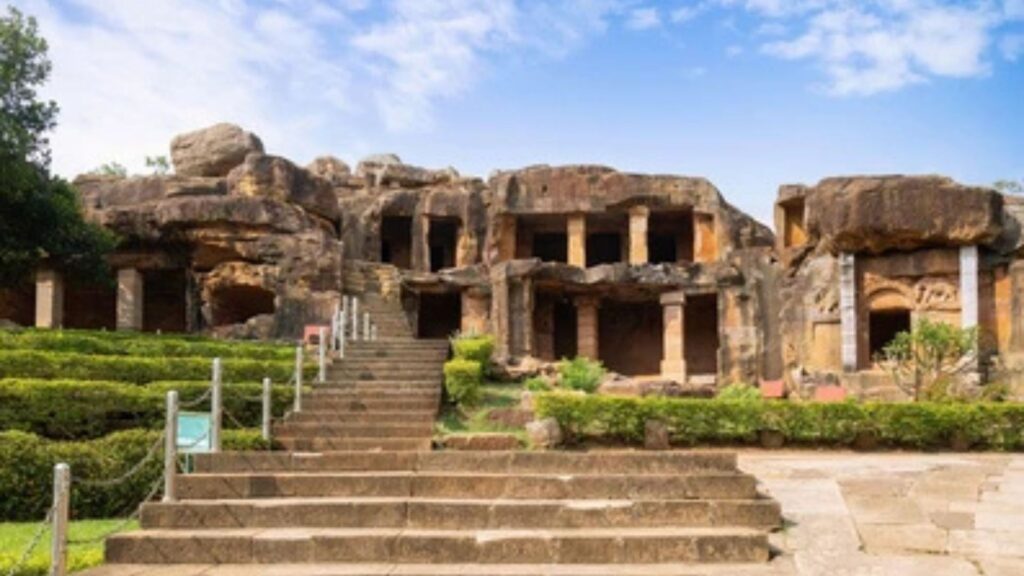
These caves are significant heritage sites of Jainism, and they were constructed under the leadership of King Kharavela(1st century BCE). They are among the 12 caves in India to have inscriptions, meditation halls and ancient sculptures that were carved on hill sides.
A multi-storeyed monastery called Rani Gumha is famous due to its architectural brilliance. These caves are significant to travellers who are keen on the Jain history and old inscriptions that bring about the political and cultural past of India into focus.
6. Karla Caves, Maharashtra
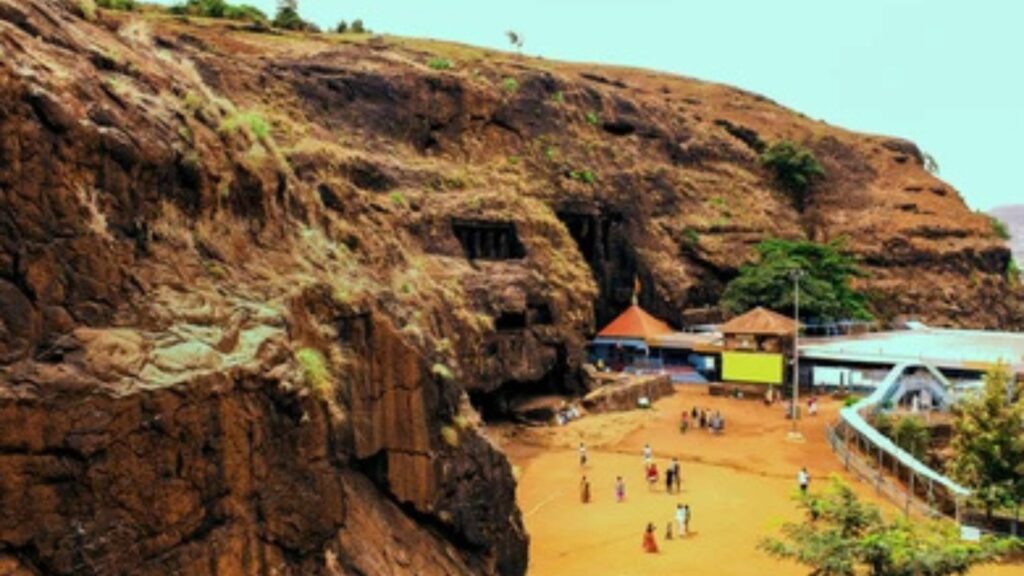
The Karla Caves are the oldest of the Buddhist caves in Western India and an extensive favourite in the list of 12 caves in India. The enormous Chaitya Hall, whose roof is made of wood and is still extant after almost 2,000 years, is a marvel in itself.
With a row of decorated pillars, rich carvings and inscriptions by ancient traders, Karla resembles the heritage of Buddhist worship and the sea trade routes.
7. Bhaja Caves, Maharashtra
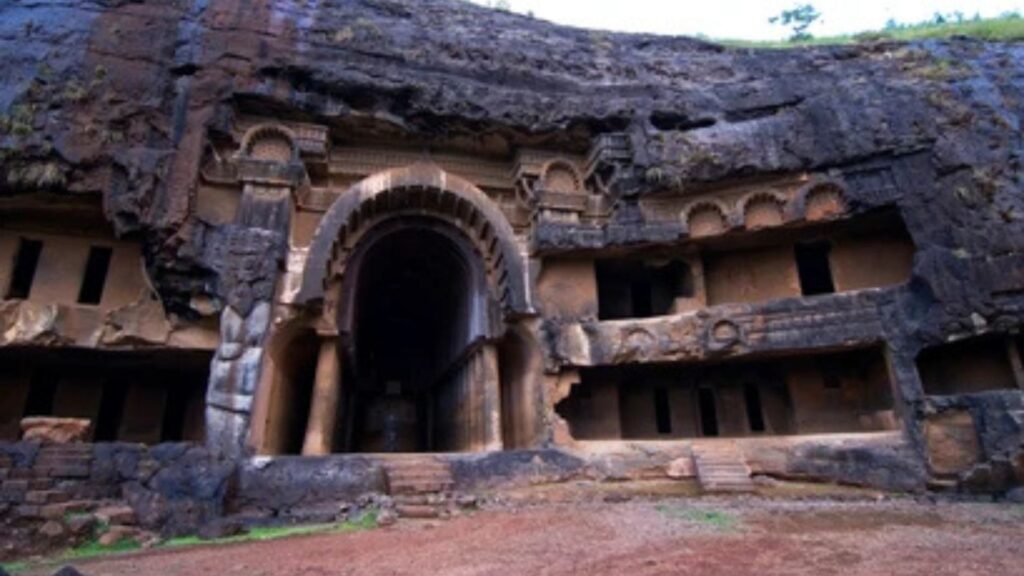
The Bhaja Caves, which are other spectacular locations in the 12 caves in India, are located near Lonavala and are characterised by wooden architecture residue, stupas and beautiful sculptures.
These are 2nd-century BCE caves that provide insights into the life of the monasteries. The sculpture of a dancing woman by Bhaja shows the high artistic sense of the ancient craftsmen. Globusnext frequently suggests Bhaja to those who come on treks, those who love history, and those who appreciate culture.
8. Edakkal Caves, Kerala
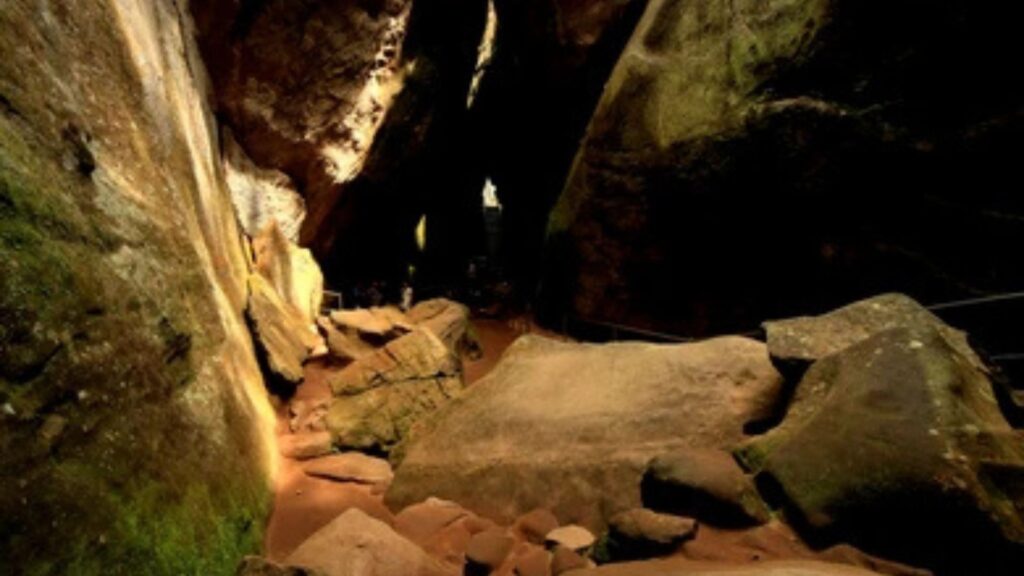
The Edakkal Caves are naturally occurring crevices in the Ambukuthi Hills, unlike the other rock-cut structures found in the 12 caves in India. These caves are globally regarded in terms of prehistoric carvings that date back 6,000-7,000 years old.
Their Neolithic petroglyphs depict human figures, weapons and animal motifs, and therefore Edakkal is one of the early evidence sites of human habitation in South India.
9. Kanheri Caves, Maharashtra
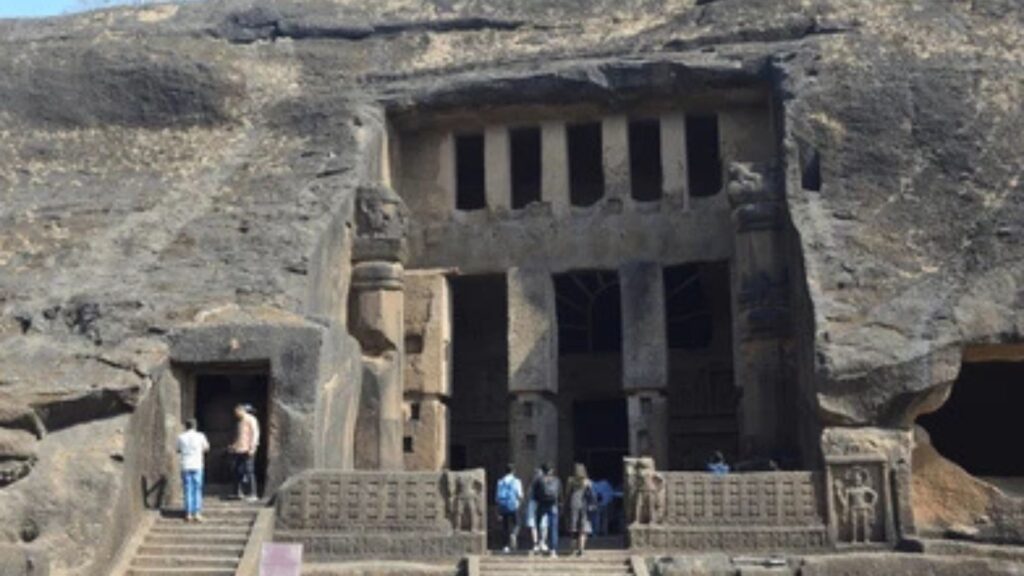
The Kanheri Caves are located within the green Sanjay Gandhi National Park in Mumbai and are a complex of over 100 excavated caves. They are a top sight on any 12 caves in India as it provides a calmness to the sea frenzy of a metropolis.
The Chaityas, Viharas, water cisterns and old stairways of Kanheri depict the life of Buddhist monks. These caves were one of the greatest monastic university centres in ancient India. Globusnext incorporates Kanheri in environmentally friendly itineraries to travellers visiting the country in search of both nature and history.
10. Amarnath Cave, Jammu & Kashmir
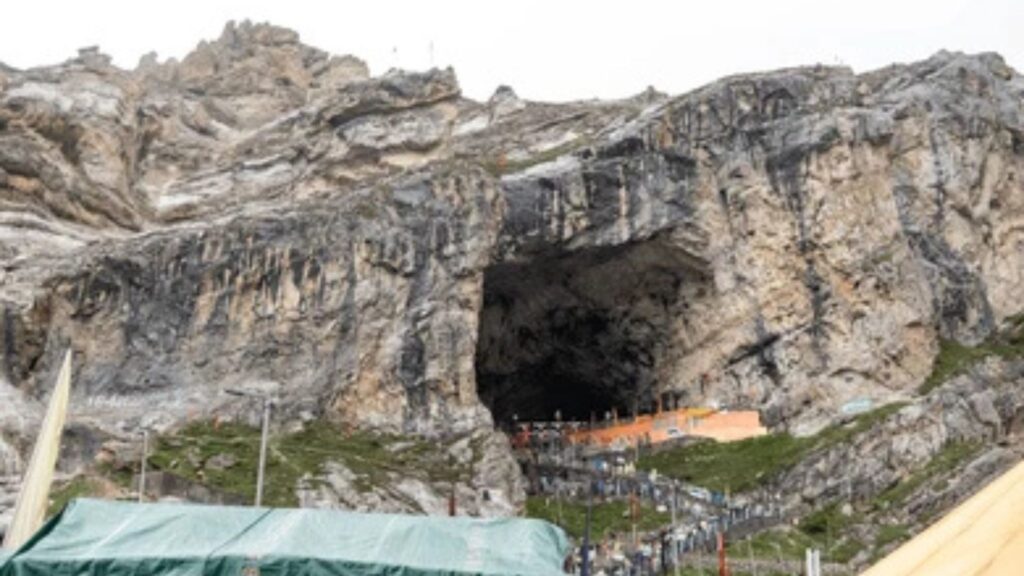
The Amarnath Cave is one of the spiritual peaks of 12 caves in India, which has a significant religious value. It contains a naturally shaped ice Shiva Linga, which has millions of followers every year.
Besides its religious significance, the cave is situated at a high altitude in the Himalayas, which is not only adventurous, pious, but also breathtaking. Globusnext recommends that the pilgrims prepare beforehand in regards to this pilgrimage because of the tough terrain and weather conditions.
11. Pataleshwar Cave Temple, Maharashtra
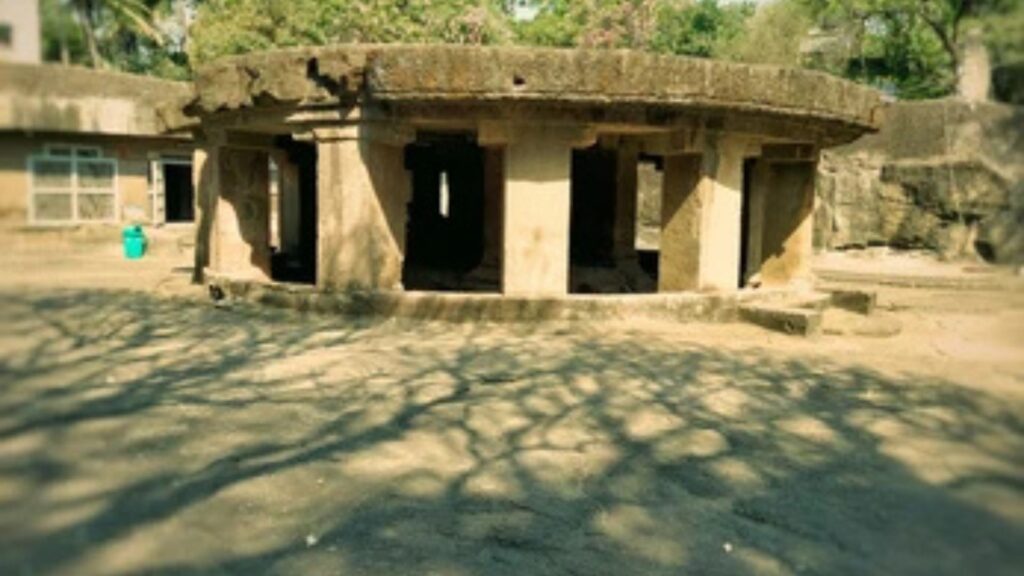
The Pataleshwar Cave Temple in Pune is one of the most convenient and yet most historic among the 12 caves in India. The temple was made out of one rock in the 8th century, and it was devoted to Lord Shiva.
The tranquil atmosphere and circular shape of the Nandi pavilion make it a peaceful getaway in the city. Pataleshwar is one of the places that Globusnext will recommend to urban travellers to get a glimpse of history once again.
12. Undavalli Caves, Andhra Pradesh
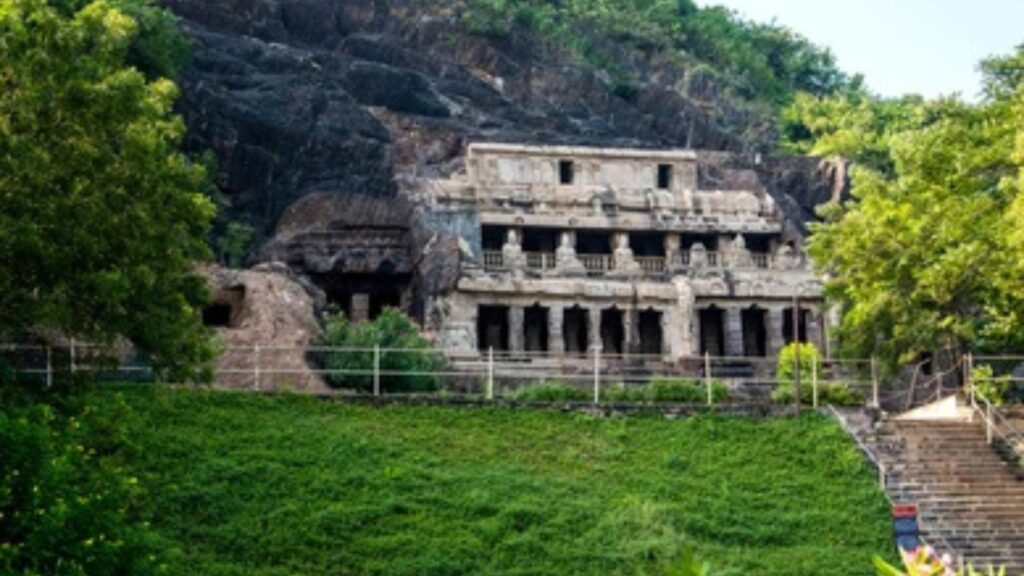
The Undavalli Caves, located near Vijayawada, are also a masterpiece of Gupta architecture, and this is what completes our list of 12 caves in India. The caves belong to the 4th-5th century CE and are mostly Hindu rock-cut temples.
The four-storey building has a huge reclining Vishnu idol made of a single block of granite. The caves have an interesting mixture of Hindu and Buddhist handiwork. The large imposing facade and the breathtaking views of the river make Globusnext one of the top attractions of Undavalli, which has to be visited in the south as a heritage site.
Why These 12 Caves in India Matter
The 12 caves in India presented above are not just architectural wonders, but they are pages of Indian history. They both contain stories of dynasties, monks, warriors, travellers, and artists, the combined efforts of which contributed to Indian civilisation.
It could be the ancient carvings of the prehistoric site of Edakkal, the religious energy of the Amarnath, or the engineering marvel of Ellora; the 12 caves in India are still awe-inspiring. The caves are also important in the conservation of scriptures, styles of art, cultural changes, and engineering innovations, which are still examined by modern researchers.
Conclusion
These 12 caves in India were the ones we visited during this all-inclusive guide, and a work of unmatched craftsmanship, depth, and development in history and spirituality. Every cave is rich in the secrets of the Indian past, which will be revealed to the inquisitive people and the brave travellers.
Once you add these 12 caves in India to your travel schedule, you will enter the world of timelessness where a single building intertwines with mythology, stone with tales, history with life. These caves will always be one of the most attractive places to visit for people who love history, pilgrims, explorers, and culture lovers, as Globusnext will keep curating meaningful travel experiences.