
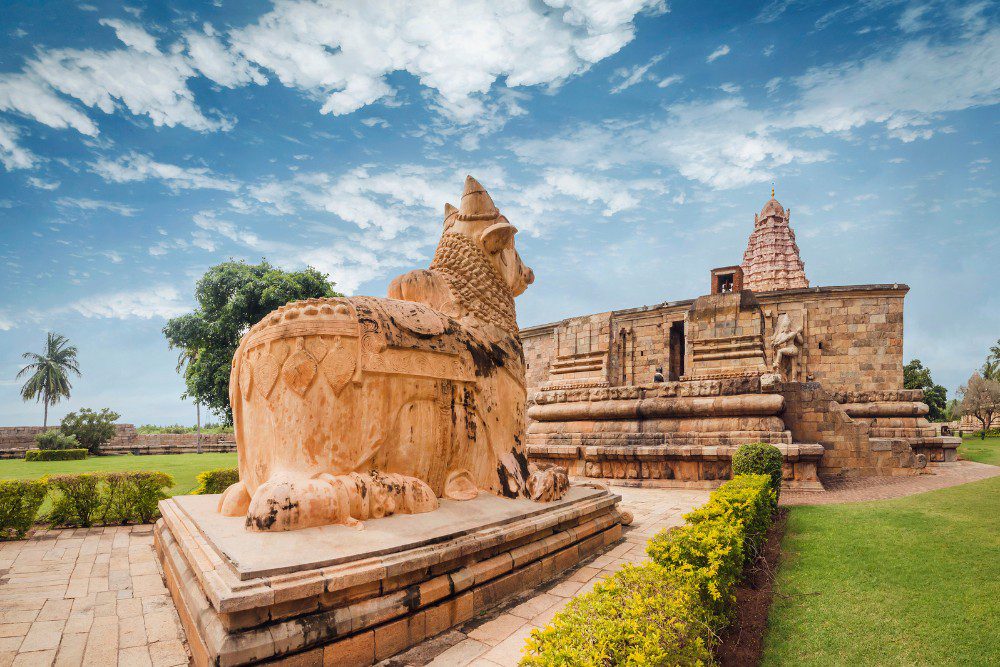
Travel across India is a lot like browsing the yellow, old pages of a bygone volume. Around each bend, there’s a murmur of tales from civilisations lived and lost millennia ago, kingdoms built by kings, thinkers who defined wisdom, and saints who defined spirituality. India is not a nation; it’s a living museum, and its cities are the guardians of history.
When I initially started tracing India’s oldest cities, I did not merely look at ruins and monuments; I sensed their soul. The ghats, the palaces, the incense-filled lanes and the food—each one of them said to me that though time might have progressed, memory has lagged, waiting for us to explore it again.
So, sit back, and let me guide you through the Top 10 Oldest Cities in India, where the past is present and still alive.
1. Varanasi (Kashi/Banaras) – The Eternal City
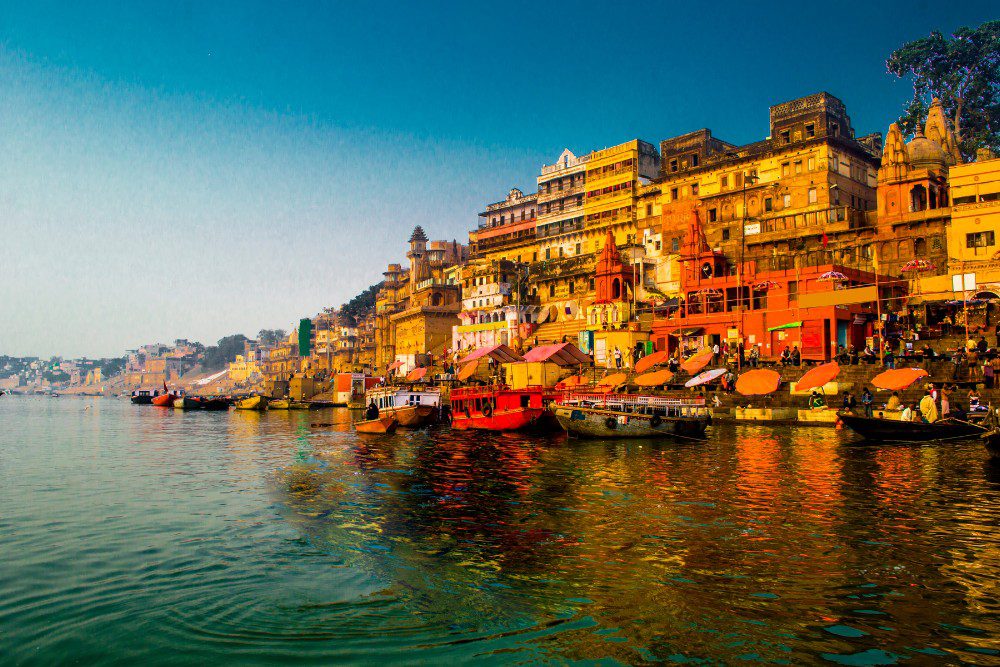
If there is any city in India older than history itself, it has to be Varanasi. Standing on the Ganga ghats as the sun rises, listening to priests sing aarti as the golden light flickers on the water, you can see why Mark Twain once described Banaras as “older than history, older than tradition, older even than legend.”
This city is more than 3,000 years old (some claim it to be even older). To stroll through its maze of streets, savour the legendary kachoris, or sit calmly by the river, is to be possessed by the beat of eternity.
Must-see: Ganga Aarti at Dashashwamedh Ghat in the evening and dawn boat ride.
2. Ujjain – City of Stars and Temples
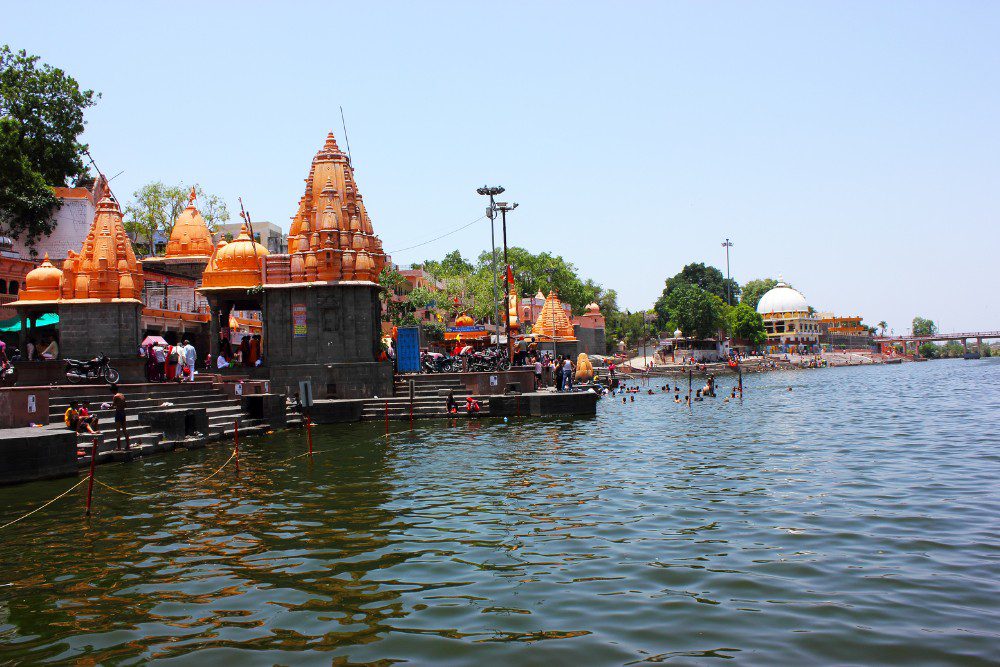
Located on the banks of the Shipra River, Ujjain was the capital city of the legendary King Vikramaditya. It is also one of the Sapta Puri (seven holy cities of Hindu mythology) and is famous for the Kumbh Mela, the largest spiritual festival of the world.
For me, Ujjain was not temples alone—it was time itself. The ancient astronomical observatory, Jantar Mantar, revealed to me how science and spirituality were intricately integrated into India’s past.
Don’t miss: Mahakaleshwar Temple, where the morning Bhasma Aarti is a dreamlike experience.
3. Madurai – Athens of the East
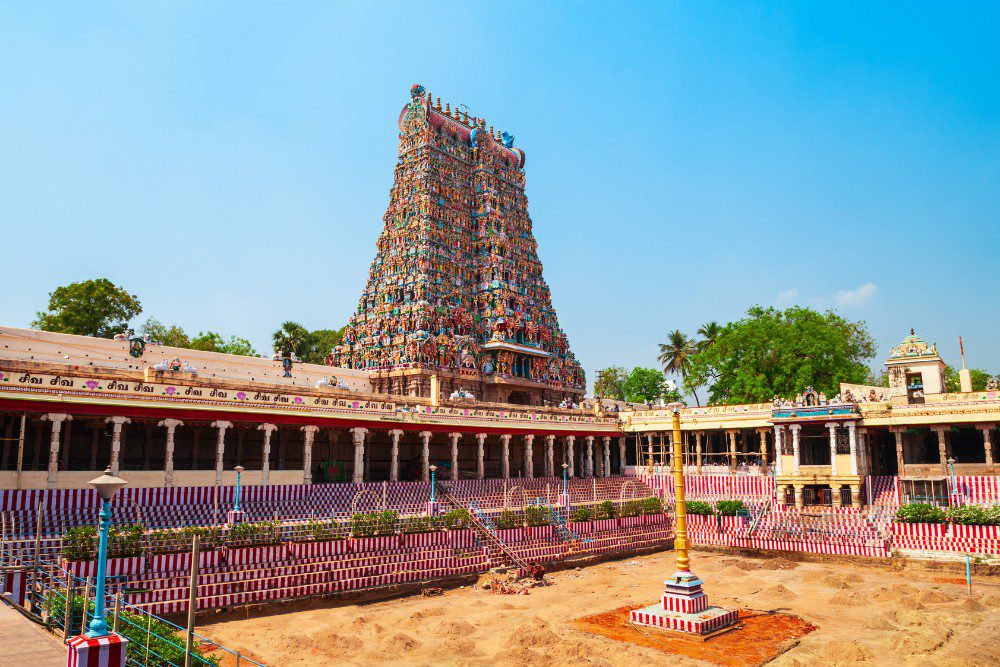
The first thing that meets your eye in Madurai is the imposing, brightly colored gopurams (gateways) of the Meenakshi Amman Temple. But more than its architectural splendour, Madurai is said to be over 2,500 years old.
It was the capital of the Sangam Civilisation, a centre of Tamil literature and culture. Strolling through its thriving bazaars, I sensed the effortless integration of ancient tradition and contemporary energy.
Don’t miss: The night light and sound show at the Thirumalai Nayakkar Palace—it brings history to life.
4. Pushkar – The Sacred Lake City
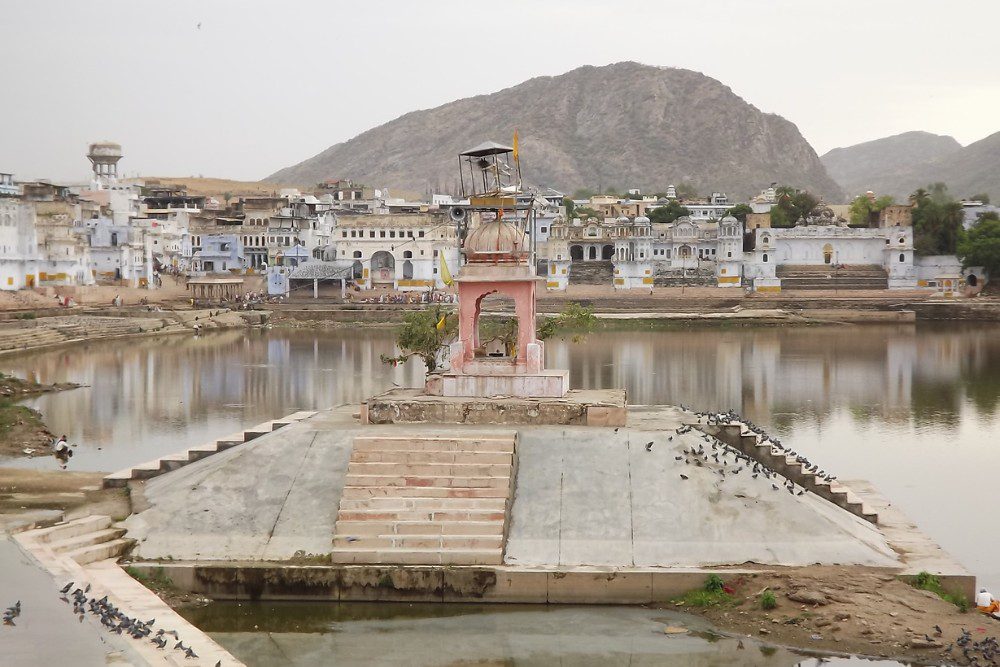
Unlike all other cities, Pushkar is serene, just short of meditative. Famous for the Pushkar Lake and one of the very few temples dedicated to Lord Brahma, the city is shrouded in myths which date back thousands of years.
To me, Pushkar wasn’t about monuments but moments. Wading in the ghats as devotees intoned prayers and the sun slid behind the Aravallis, I experienced calm that no chaotic city could provide.
Don’t miss: The Pushkar Camel Fair if you’re lucky enough to be there in November—it’s a burst of culture, colour, and mayhem.
5. Patna (Ancient Pataliputra) – Cradle of Dynasties
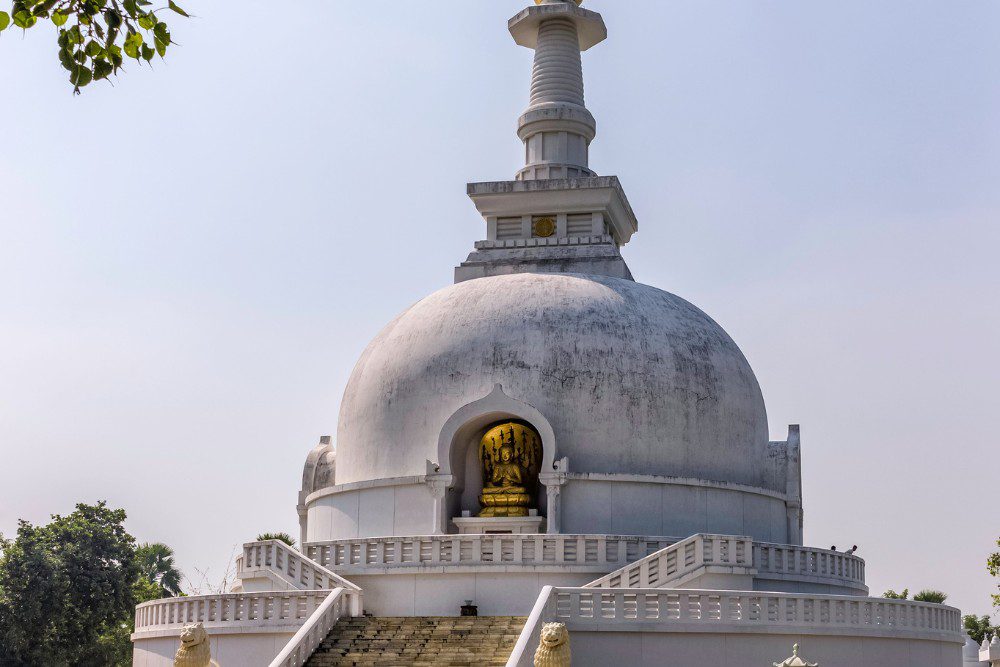
Today’s Patna, the capital of Bihar, was formerly known as Pataliputra, the magnificent capital of the Mauryan and Gupta Empires. Put this in your mind: nearly 2,500 years ago, this city was teeming with scholars, soldiers, and traders from all over Asia.
I stood by Kumhrar, where there still remains evidence of Mauryan pillars, and closed my eyes to picture the great Emperor Ashoka walking on the same ground.
Don’t miss: Golghar and Patna Museum, where ancient dynasties speak through relics.
6. Dwarka – City of Lord Krishna
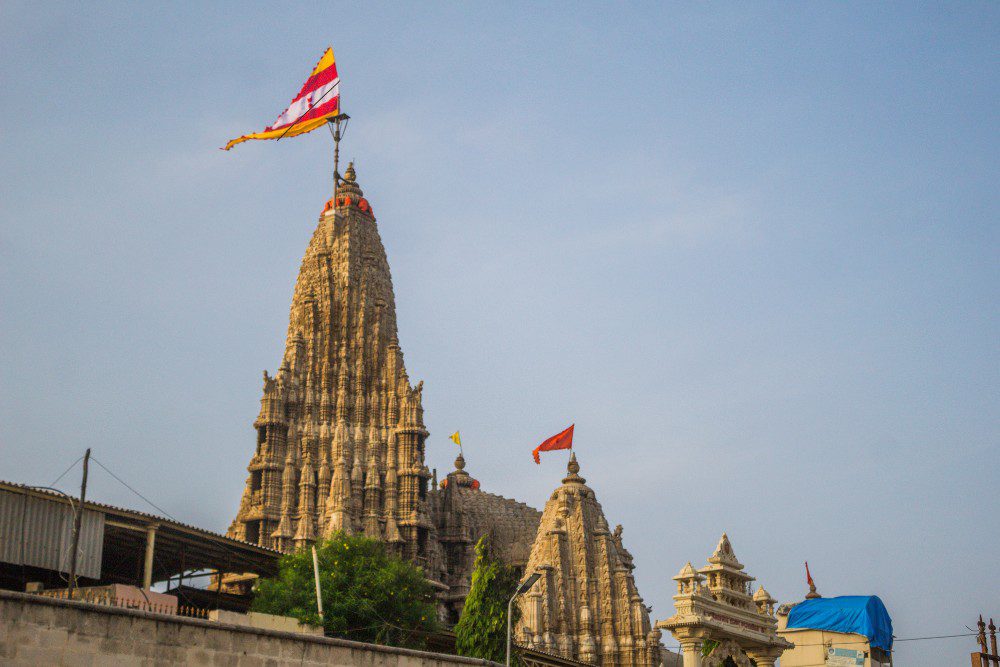
Legend has it that Dwarka was the kingdom of Lord Krishna. Archaeologists have even discovered remnants of an underwater city along the coast, said to be the original Dwarka of the Mahabharata.
Walking barefoot into the Dwarkadhish Temple, one can sense the piety that has coursed through this city for generations. And standing at the waters’ edge of the Arabian Sea, one understands—myth and reality blend so majestically here.
Don’t miss: A boat trip to Bet Dwarka for a whiff of both history and divinity.
7. Thanjavur – The Land of the Cholas
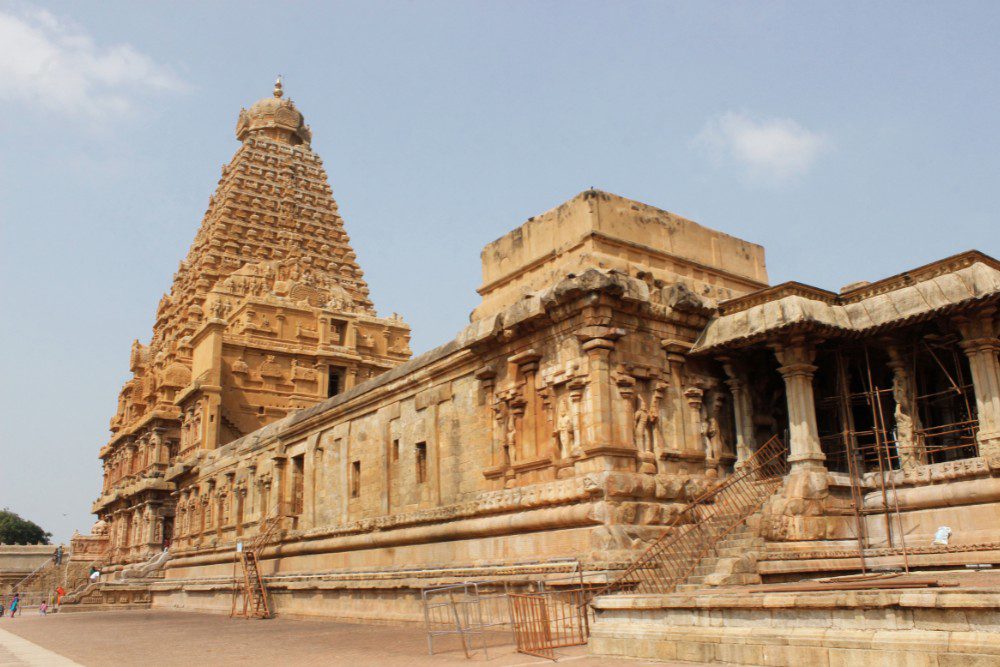
If Tamil Nadu is a treasure trove, Thanjavur is its precious gem. This was the capital of the great Chola empire about a thousand years ago.
The Brihadeeswarar Temple, a UNESCO World Heritage Monument, is not architecture—it’s poetry in stone. I recall standing in front of its towering vimana, feeling like an infinitesimal dot in front of the grandeur of history.
Don’t miss: The bronze idols in Thanjavur workshops—centuries-old art that survived.
8. Mathura – Lord Krishna’s Birthplace
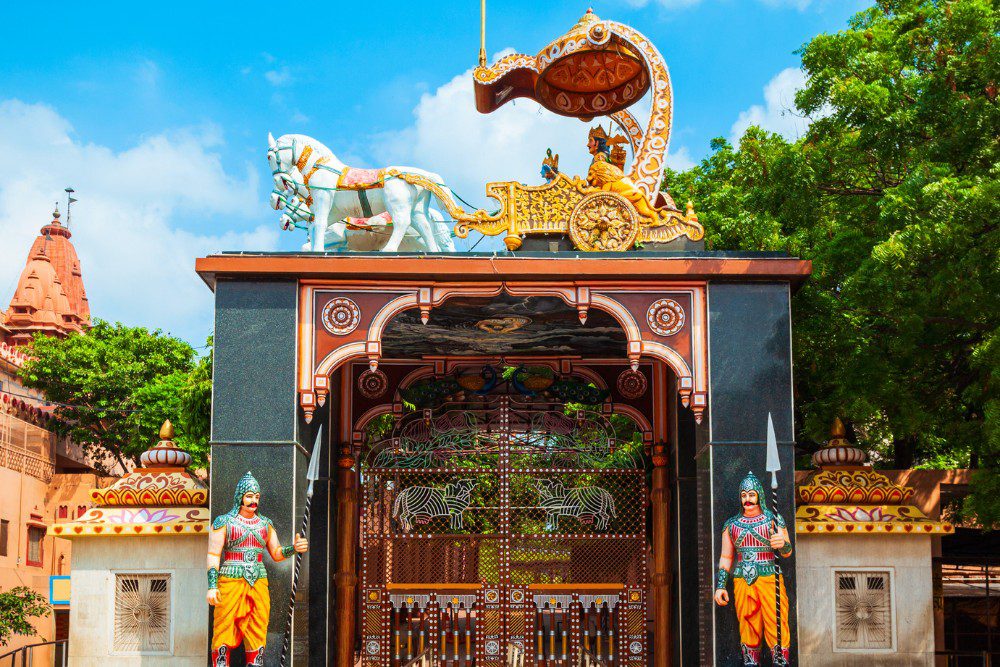
Mathura’s streets are narrow, vibrant, and frenzied, but through the din of sweets stores and temples, you sense holiness. Considered to be over 2,500 years old, this is the city of Lord Krishna’s birth.
Mathura comes alive in colours on Holi, and the city becomes a celebration of life itself. For me, a cup of hot peda while hearing the temple bells ringing was an experience imprinted on my mind.
Don’t miss: Vrindavan nearby, where spirituality converges with celebration.
9. Ayodhya – The City of Ram
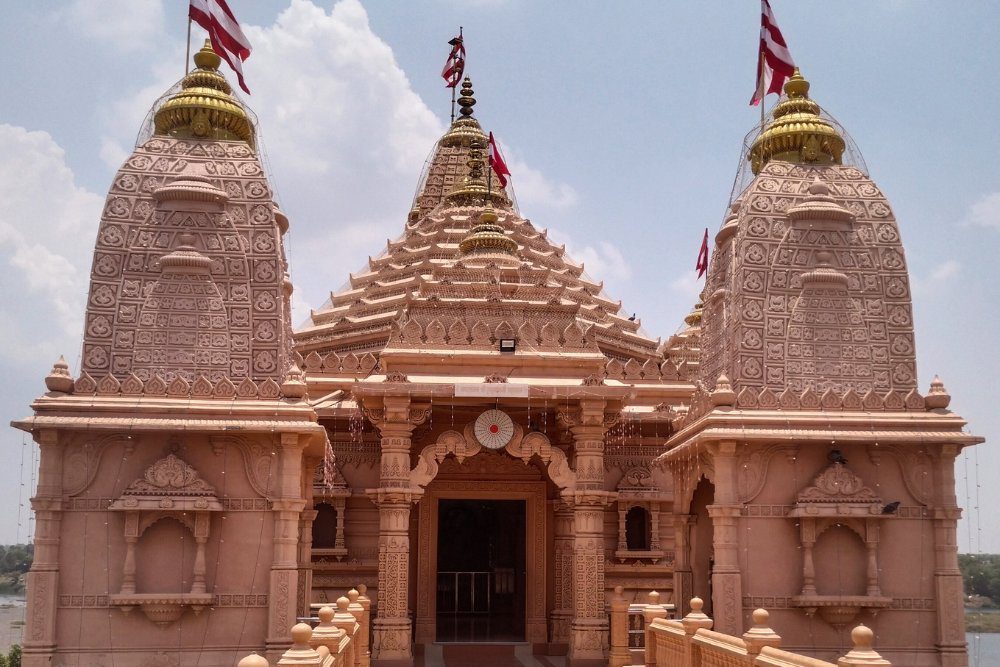
Whether you call it a city from history or the place where Lord Rama was born, Ayodhya has remained center to India’s cultural life. Its Sarayu ghats and ancient temples bear the scent of eternal devotion.
As I strolled here, I sensed history was not inscribed in stone—but lived in the chants, rituals, and the unshakeable faith of the people.
Don’t miss: Ganga aarti in the evening at the ghats—uncomplicated but deeply moving.
10. Gwalior – A Legacy in Stone
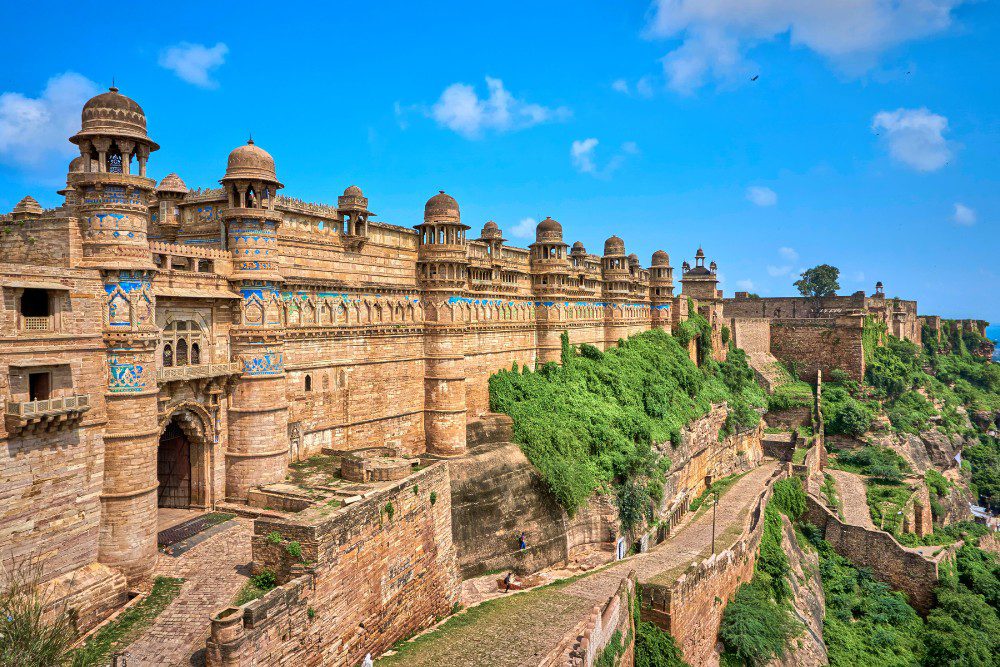
Gwalior is a city of forts and palaces, unlike the other spiritual centres. The Gwalior Fort, with its imposing sandstone walls, has witnessed centuries of wars, rulers, and kingdoms.
As I ascended its rugged path, I was impressed by the Jain rock carvings into the hillside—ancient but timeless. It’s not a fort; it’s a living history of India’s medieval past.
Don’t miss: The sound and light show in Gwalior Fort in the evening—it’s like history speaking for itself.
Final Thoughts: More Than Just Cities
Passing through these old cities made me realise that India is not so much about geography—it’s about stories, religion, determination, and heritage. These cities are such old storytellers, their wrinkles are their ruins, their laughter is their celebrations, and their silence is their spirituality.
If you ever want to know India more than guidebooks and hashtags, walk into these cities. Get lost in their disarray, listen to their murmurs, and I assure you, you’ll come back with not only pictures, but with tales carved in your heart.

Pingback: Top 5 Tourist Places in India | Explore India with Globusnext
Pingback: Best Time to Visit in Kerala: Season-Wise Travel Guide 2025